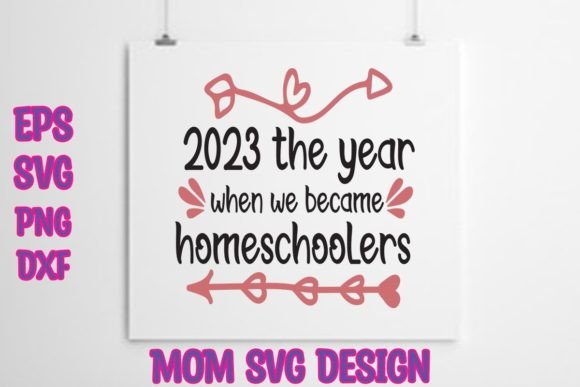
Homeschool Mom SVG Design: Losing My Review
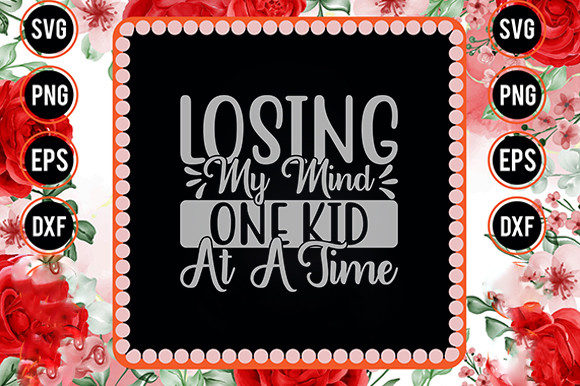
As a professional embroidery designer and product reviewer, I approach every new digital asset with a critical eye toward stitchability and marketability. When evaluating the Homeschool Mom Svg Design, Losing My, my primary focus is not just the humor of the phrase "Losing my mind one kid at a time," but how that sentiment translates into a tangible, high-quality finished product. In the world of crafts and graphics, a design can look perfect on a screen yet fail spectacularly under the needle. This review breaks down the practical realities of using this specific machine embroidery design for real-world projects, from custom apparel to commercial Etsy listings.
First Impressions and Visual Personality
Upon opening the ZIP file containing the EPS, SVG, PNG, and DXF files, the immediate impression is one of relatable chaos balanced by clean typography. For an embroidery project, legibility is paramount. The layout of this design suggests it was created with text hierarchy in mind, which is crucial when converting vector graphics into stitch data. The mood strikes a balance between exhaustion and pride, making it highly giftable. Visually, the design feels modern rather than dated, which appeals to the current demographic of homeschool parents who value aesthetic cohesion in their handmade products.
However, as a designer, I immediately assess the negative space. In embroidery, empty space is just as important as filled areas because it prevents fabric distortion. This design appears to utilize spacing effectively, allowing for adequate stabilizer support without creating a bulletproof patch effect. The personality is distinct enough to stand alone on a tote bag or sweatshirt but simple enough to pair with other decorative elements if desired.
Real-World Application: The Sweatshirt Test
To truly evaluate this embroidery file, I mentally simulate a specific client scenario: creating a custom embroidered sweatshirt for a homeschool co-op leader. This is a common request for small shop owners and craft business entrepreneurs. Sweatshirts are typically fleece-backed cotton blends, which present unique challenges regarding stitch density and fabric texture.
In this real-life application, the Homeschool Mom Svg Design, Losing My would likely perform best as a center-chest placement rather than a full-back design. The phrase length requires careful hooping to ensure the text remains level. If I were stitching this out today, I would prioritize a running stitch outline before laying down any satin stitch or fill stitch columns. This technique anchors the fabric and prevents the "losing my mind" text from pulling or puckering the soft fleece. For a personalized gift of this nature, the goal is comfort; a dense, stiff embroidery area on a cozy sweatshirt ruins the user experience. This design’s structure allows for a lighter touch, maintaining the garment's drape while delivering the humorous message clearly.
Navigating Fabric Variables and Hoop Constraints
Not all substrates are created equal, and this digital embroidery file requires strategic adaptation depending on where you intend to use it. While it shines on stable knits, you must exercise caution with other materials.
- Stretchy Fabrics: If applying this to a ribbed tank top or stretchy baby clothes, you must use a heavy-duty cut-away stabilizer. The horizontal span of the text makes it susceptible to tunneling on elastic fabrics.
- Textured Surfaces: On terry cloth towels or aprons, the finer details of the font may get lost. I recommend adding a water-soluble topping to keep the stitches crisp and visible above the pile.
- Curved Items: Caps and hats are tricky for multi-line text designs. Unless the design has been specifically digitized with a curve arc, forcing this flat layout onto a curved cap bill will result in distorted lettering at the edges. Stick to flat surfaces like tote bags, pillow covers, or tea towels for the safest results.
- Small Hoop Sizes: Always verify your hoop size against the actual dimensions of the embroidery file before purchasing. Resizing text-heavy designs downward can cause satin stitches to become too thin to register, leading to thread breaks and poor coverage.
Commercial Viability for Makers and Sellers
For Etsy sellers and creative entrepreneurs, the value of an embroidery design lies in its versatility and perceived quality. The Homeschool Mom Svg Design, Losing My offers strong commercial potential because it targets a passionate niche. However, professionalism dictates that you validate the output before listing any finished product for sale.
Customer trust is built on consistency. If you sell this as a custom apparel item, your stitch-out must be flawless. I advise testing the design in both black and white mockups to see how it reads digitally, but more importantly, run a physical test on scrap fabric that matches your production material. Check the thread color contrast rigorously; white thread on heather gray is classic, but navy on black might require a lighter outline to remain readable in low-light photos. High-quality product photography relies on the embroidery looking as good in person as it does on screen.
Furthermore, consider the washability factor. Homeschool moms are busy, and their gear gets laundered frequently. Ensure your stitch density is sufficient to withstand washing without fraying, but not so dense that it damages the fabric over time. A well-executed embroidered patch or permanent decoration adds significant value compared to heat-transfer vinyl, justifying a higher price point for your handmade products.
Critical Designer Notes for Success
Before you load this design into your machine or list it in your shop, adhere to these professional best practices to ensure safety and quality:
- Verify Licensing: The product description lists file formats (EPS, SVG, PNG, DXF) but does not explicitly state commercial licensing terms for the embroidery design itself. Always confirm whether you have the right to sell finished items or if the license restricts use to personal projects. Never assume commercial rights based solely on file inclusion.
- Test Stitch Density: Open the file in your embroidery software to inspect the stitch count and density settings. If the design feels too heavy for lightweight cotton, adjust the underlay or reduce density manually to prevent fabric damage.
- Stabilizer Selection: Do not rely on tear-away stabilizer for knit fabrics. Use a fusible cut-away for sweatshirts and hoodies to provide permanent support for the text weight.
- Mockup Accuracy: When creating printable mockups or digital previews for your shop, use realistic fabric textures. Flat, vector-only representations can mislead buyers about the tactile nature of the embroidered patch or apparel.
- Thread Color Planning: Plan your thread colors based on the final substrate. What works on a white tote bag design may vanish on a dark denim apron. Keep a physical thread chart handy during the planning phase.
Final Thoughts on Practical Utility
The Homeschool Mom Svg Design, Losing My represents a solid addition to a crafter’s library, provided it is treated with technical respect. Its strength lies in its emotional resonance and clear typographic layout, making it ideal for holiday gifts, boutique branding, and personalized merchandise. By focusing on proper stabilization, appropriate fabric selection, and rigorous testing, makers can transform this digital graphic into a professional-grade embroidered product that delights customers and stands up to the rigors of daily life. Remember, in the embroidery business, your reputation is stitched one project at a time; let this design help you build it correctly.