2023 Homeschool Design: An Embroidery Review
As a professional embroidery designer and product reviewer, I approach every new graphic with a specific question: will this actually stitch out well on fabric? When evaluating "2023 the Year when We Became Homeschoole," my assessment goes beyond the screen. While this asset is primarily marketed as a MOM SVG Cutting File for machines like Cricut and Silhouette, its potential in the embroidery studio is significant for those willing to adapt it correctly. For Etsy sellers, apparel decorators, and makers focusing on family milestones, this design captures a very specific cultural moment. However, translating a vector graphic intended for vinyl or paper into a durable machine embroidery design requires technical foresight and practical testing.
Capturing the Sentimental Aesthetic
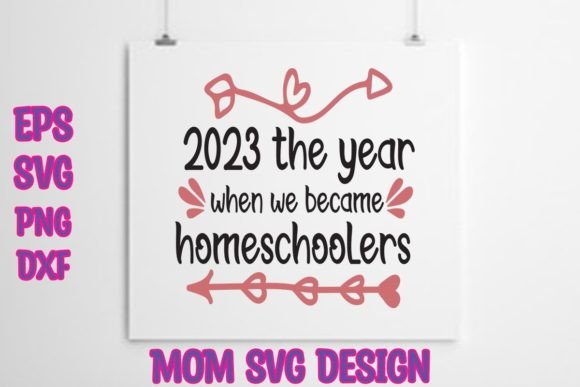
The first impression of "2023 the Year when We Became Homeschoole" is one of nostalgic documentation. It feels less like a generic slogan and more like a timestamped memory. Visually, the layout suggests a commemorative badge or a yearbook-style header. This mood dictates its best use cases. It naturally belongs on items that serve as keepsakes rather than fast fashion. When I look at this graphics file, I immediately envision it as a centerpiece for a custom embroidered tote bag used for curriculum storage or a sweatshirt marking a family’s transition year. The typography carries a weight that demands respect; it isn't playful bubble lettering, but rather a declarative statement. For a handmade product, this emotional resonance is what drives buyer engagement. Customers aren't just buying thread on fabric; they are buying validation of their homeschooling journey. As a designer, I appreciate that the visual personality aligns perfectly with the current trend of documenting "real life" milestones in the craft business sector.
Real-World Application: The Commemorative Sweatshirt Test
To truly evaluate this design, I mentally placed it on a real project: a heavyweight cotton fleece sweatshirt intended as a holiday gift for a homeschooling mother. In this scenario, "2023 the Year when We Became Homeschoole" serves as the primary focal point on the chest. Because the original file is an SVG cutting file, the lines are clean and scalable, which is excellent for digitizing. However, for sweatshirt embroidery, the challenge lies in fabric texture. Fleece is lofty and can swallow fine details.
If I were stitching this out today, I would treat the text elements with caution. If the font contains thin serifs or delicate connectors suitable for vinyl, they must be converted to a satin stitch or a thicker running stitch to survive the nap of the fleece. A standard fill stitch might make the letters look blocky and lose the vintage charm, while a stitch density that is too high could cause puckering on such a thick garment. For this specific application, I would likely pair the text with a simple applique design element—perhaps a book shape or a shield—to anchor the composition and reduce overall stitch count while maximizing visual impact. This balance ensures the finished product remains soft and wearable, maintaining the high quality expected by boutique customers.
Navigating Fabric Limitations and Hoop Constraints
While the sentiment is universal, the physical execution of "2023 the Year when We Became Homeschoole" varies drastically by substrate. Makers must be strategic about where this design lives.
- Stretchy Fabrics: On baby clothes or lightweight knits, the phrase length is a risk factor. Long horizontal lines of text can distort if the stabilizer is insufficient. For baby embroidery, I recommend breaking the design into two stacked lines or using a curved layout to maintain structural integrity without warping the garment.
- Textured Surfaces: Tea towels and linen pillow covers are ideal candidates because the stable weave supports detailed lettering. However, ensure the thread colors contrast sharply against natural fibers. Tone-on-tone embroidery often fails with this specific design because the complexity of the message gets lost in the texture.
- Curved and Small Areas: Caps and sleeves require careful editing. "2023 the Year when We Became Homeschoole" is likely too wide for a standard cap hoop without significant reformatting. Attempting to force the full phrase onto a curved surface will result in registration errors and distorted edges. Consider using just "2023 Homeschool" for caps and saving the full phrase for flat surfaces like patches or aprons.
- Dark Fabrics: If stitching on navy or black, verify that the digitized file includes adequate underlay. Without proper foundation stitches, the top threads will sink into the dark fabric, making the commemorative date illegible.
Commercial Viability and Brand Consistency
For Etsy sellers and small shop owners, this design represents a niche opportunity. The specificity of "2023" makes it time-sensitive, but also highly searchable during that relevant window. From a commercial embroidery perspective, clarity equals value. If the stitching looks muddy or the text is unreadable from three feet away, the perceived value of the personalized gift drops instantly. Professionalism in embroidery comes from crisp edges and appropriate scale.
When creating printable mockups or digital product previews for your listings, ensure the representation matches the stitched reality. Do not simply overlay the SVG vector onto a shirt image. Instead, use a digitized simulation or a photo of a test stitch-out. Buyers need to see how "2023 the Year when We Became Homeschoole" translates to thread. This transparency builds customer trust and reduces returns. Furthermore, consistent use of this design across different products—matching the tote bag design to the nursery decor—creates brand recognition for your shop as a specialist in homeschooling memorabilia.
Essential Designer Notes Before You Stitch
Before loading this design into your machine or listing it in your store, adhere to these practical checkpoints. Remember, since this originates as a cutting file for Cricut and Silhouette, it lacks native embroidery data unless you have purchased a pre-digitized version or digitized it yourself.
- Verify Licensing: Confirm whether your purchase includes commercial rights for embroidery. Some SVG licenses cover vinyl and paper crafts but explicitly exclude digital embroidery files or mass production.
- Test Stitch Density: Always run a test on scrap fabric identical to your final project. Check if the lettering holds up or if the fabric tunnels. Adjust density settings based on the weight of your material.
- Check Thread Contrast: View the design in black and white before stitching. If the values are too similar, change your thread colors. Legibility is paramount for text-based embroidery projects.
- Stabilizer Selection: Match the stabilizer to the fabric, not the design. Use cut-away for stretchy apparel and tear-away for stable woven goods. Never skip topping on textured fabrics like towels.
- Size Verification: Measure your hoop size against the design dimensions. Resizing a complex text design by more than 10-15% can ruin stitch integrity. Redigitize if significant resizing is needed.
- Mockup Accuracy: When selling finished products, show the actual stitch texture. Highlighting the tactile nature of the embroidery distinguishes your work from print-on-demand competitors.
"2023 the Year when We Became Homeschoole" is a powerful narrative tool for makers. By treating it with the technical respect required for textile art, you transform a simple digital graphic into a cherished heirloom. Whether you are creating a custom apparel piece for a client or expanding your own shop's holiday embroidery collection, success lies in the details of execution. Take the time to test, adjust, and verify, and your finished product will honor the memory it represents.