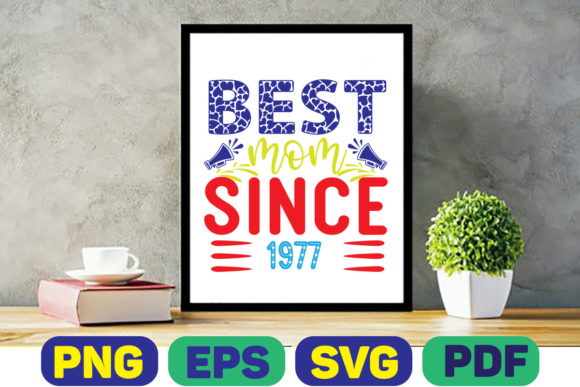
Best Mom Since 1977: An Embroidery Design Review
When evaluating a new machine embroidery design for my shop, I look beyond the digital preview. A file might look crisp on a screen, but the true test is how it translates through needle and thread onto actual fabric. As a designer who regularly produces custom apparel and personalized gifts, I approached "Best Mom Since 1977" with a critical eye. This isn't just another generic mother’s day graphic; it is a specific, nostalgia-driven piece of Graphics that targets a very distinct demographic. For those of us in the Crafts industry, specificity sells, but only if the execution holds up during production.
First Impressions and Visual Hierarchy
My initial assessment of Best Mom Since 1977 focused on its retro typography and layout. The year 1977 anchors the design, giving it a vintage badge aesthetic that is currently trending in Etsy seller circles. Visually, it strikes a balance between sentimental and stylish. It avoids the overly cursive, hard-to-read scripts that often plague mom-themed merchandise. Instead, it likely utilizes bold, legible lettering that communicates clearly from a distance. This clarity is vital for handmade product photography and physical display at craft fairs. When a customer scans a rack of sweatshirts or tote bags, they need to read "Best Mom" and "1977" instantly. The design’s personality feels established and confident, making it suitable for mature recipients rather than just new mothers.
Real-World Application: The Vintage Sweatshirt Test
To truly judge this embroidery file, I mentally placed it in a real production scenario: creating a premium, cream-colored heavyweight sweatshirt for a client whose mother was born in 1977. This is a classic personalized gift request. In this context, the design needs to perform as more than just ink or pixels; it must have tactile quality.
For a project like this, I would treat Best Mom Since 1977 as a centerpiece. If the file includes applique design elements, this is where the design shines on fleece or French terry fabrics. Appliqué reduces stitch density, keeping the garment soft and wearable while adding texture contrast. If it is strictly stitch-based, I would look for a mix of satin stitch borders and fill stitch interiors to create depth without excessive bulk. On a sweatshirt, the design needs enough weight to stand up to the fabric's pile but enough flexibility to prevent puckering. This specific design theme pairs exceptionally well with muted, earthy thread colors—think terracotta, sage green, or mustard yellow—which enhances the 1970s revival vibe that buyers are currently seeking in commercial embroidery markets.
Navigating Fabric Limitations and Hoop Constraints
While Best Mom Since 1977 has strong potential for sweatshirt embroidery and tote bag design, caution is required for other applications. Not every digital embroidery file is universal. Before loading this into your machine, you must verify the hoop size. Retro typography often requires horizontal space. If you attempt to shrink this design down for a baby bib or a sleeve cuff, the internal details of the numbers and letters may become lost or cause thread breaks.
I would also advise against using this specific design on highly textured fabrics like terry cloth towels or thick canvas without proper testing. The intricate details typical of vintage-style graphics can sink into high-pile fabrics, reducing legibility. Similarly, stretchy performance fabrics pose a risk. Unless you use an appropriate cut-away stabilizer and potentially a topping, the registration of the text could shift, ruining the professional finish. For baby embroidery items, always check the back of the stitching. Dense fill stitch areas can be scratchy against sensitive skin, so a fusible backing might be necessary if this design is used on infant wear. Always prioritize comfort alongside aesthetics when creating a finished product for children.
Commercial Viability for Makers and Sellers
For the small shop product owner or craft business operator, Best Mom Since 1977 represents a niche opportunity. Because the date is fixed, this is not a design you can sell year-round to everyone. However, it is gold for targeted marketing. It serves as an excellent hook for Facebook ads or Instagram posts targeting users interested in 1970s nostalgia or specific age milestones. As an Etsy seller, listing this as part of a "Born in 1977" collection can improve search visibility.
Furthermore, consider how this design looks in a printable mockup. Since it is also available as a mom Svg Design, you can offer hybrid products. You might embroider the main text and use heat transfer vinyl for smaller accent details, or vice versa. This versatility increases the value of your design assets. However, professionalism is paramount. Ensure your thread colors match the era appropriately. Neon pink might clash with the intended vintage mood, whereas warm golds and browns reinforce it. Customer trust is built when the physical item matches the emotional promise of the design.
Essential Technical Checklist Before Stitching
Before you commit Best Mom Since 1977 to a final embroidery project, run through this practical checklist to ensure quality and compliance:
- Verify Licensing: Confirm whether your purchase includes commercial rights for selling finished goods or if it is for personal use only. Never assume; always check the seller's terms.
- Test Stitch Out: Always run a test on scrap fabric similar to your final project. Check for registration issues between the running stitch outlines and fill areas.
- Check File Compatibility: Ensure the digital embroidery file format works with your specific machine brand before purchasing.
- Evaluate Stabilizer Needs: Determine if tear-away, cut-away, or water-soluble stabilizer is best for your chosen fabric weight.
- Contrast Check: View the design in black and white on your computer to ensure the values hold up without relying solely on color differentiation.
- Measure Accurately: Double-check dimensions against your garment's printable area to avoid stitching over seams or zippers.
Final Thoughts on Design Integrity
Best Mom Since 1977 is more than just a seasonal graphic; it is a test of your ability to match design intent with technical execution. Whether you are creating an embroidered patch, a holiday gift, or boutique inventory, success lies in the details. The retro charm of this design demands respect for the era it references and the craftsmanship required to reproduce it. By understanding the interplay of stitch density, fabric choice, and visual hierarchy, you transform a simple digital file into a cherished keepsake. Remember, in the world of custom apparel and handmade goods, the difference between a craft and a product is the level of thoughtful consideration applied before the needle ever pierces the fabric. Take the time to understand this design, and it will serve your business and your customers beautifully.