Softball Mom Cut File: An Embroidery Review
As a professional embroidery designer and product reviewer, I approach every new graphic asset with a specific question: will this actually stitch out cleanly on fabric? When evaluating the Softball Mom Softball Cut File Sport, my perspective shifts from digital aesthetics to tactile reality. While this asset is marketed primarily as an SVG for Cricut and Silhouette users in the Crafts and Graphics categories, its bold geometry makes it a compelling candidate for adaptation into a machine embroidery design. For small business owners and Etsy sellers looking to expand their inventory beyond vinyl, understanding how this specific silhouette translates to thread is crucial for maintaining product quality and customer trust.
First Impressions: Bold Geometry Meets Stitch Potential
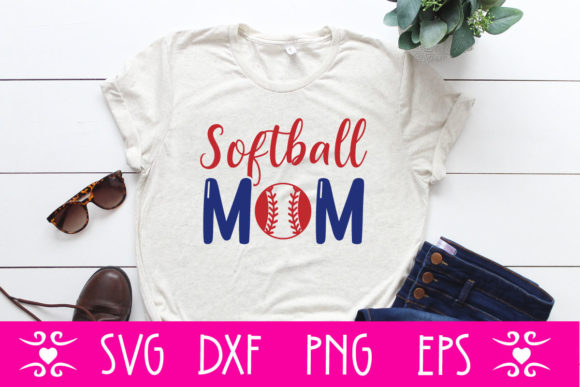
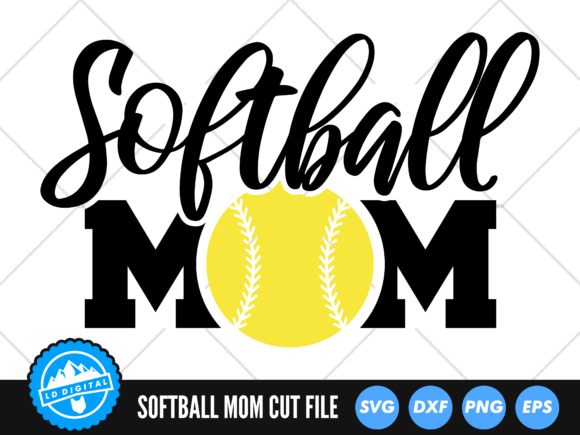
My initial assessment of the Softball Mom Softball Cut File Sport focuses on its structural integrity. The design features clean lines and distinct shapes, which is exactly what I look for when considering a conversion to embroidery. Intricate, wispy details often get lost in translation or cause tension issues, but this sport-themed graphic possesses the visual weight necessary for textile application. The mood is energetic and celebratory, clearly targeting the proud parent demographic. However, as a designer, I see more than just a cute graphic; I see potential satin stitch borders and manageable fill stitch areas. The layout suggests a balanced composition that would sit well centered on a chest or tote bag without requiring excessive distortion. It feels like a design that respects the limitations of thread while maximizing visual impact.
Real-World Application: The Custom Tote Bag Test
To truly evaluate this asset, I mentally placed it in a real-life production scenario: creating a personalized tote bag design for a team mom gift set. Canvas totes are a staple for craft business owners because they offer a stable base for stitching, but they also reveal flaws in digitizing. In this context, the Softball Mom Softball Cut File Sport shines as a potential applique design. Instead of stitching out thousands of fill stitches, I would use the cut file outline to create a fabric applique layer. This reduces stitch count significantly, keeping the bag lightweight and flexible while adding a premium, textured look that vinyl cannot replicate.
For the lettering portion of "Softball Mom," I would assess whether the font weight can support a column stitch. If the original vector lines are too thin, they must be thickened during the digitizing process to prevent needle breaks and ensure legibility. This specific project highlights the versatility of the file; it serves as both a cutting guide for the applique fabric and a stitch guide for the machine. The result is a high-value handmade product that justifies a higher price point than standard printed merchandise.
Navigating Fabric Variables and Hoop Constraints
While the design is versatile, it requires careful handling depending on the substrate. Not all fabrics treat sports graphics equally. When planning sweatshirt embroidery, the fleece texture can swallow fine details. If you adapt this file for apparel, you must account for the pile of the fabric. I recommend increasing the stitch density slightly or using a topping stabilizer to ensure the edges of the softball shape remain crisp against the fuzzy background. Conversely, for baby embroidery on delicate knits, the design might need to be simplified. Heavy satin stitches on stretchy baby clothes can cause puckering or discomfort. In those cases, converting the solid shapes to a lighter running stitch or redwork style would be a safer, more wearable choice.
Hoop size is another critical factor. This graphic likely has a landscape or square aspect ratio. Before purchasing or digitizing, verify that the dimensions fit within your machine’s maximum embroidery area without requiring re-hooping. Splitting a design this bold can lead to alignment issues that ruin the professional finish. For commercial embroidery projects where consistency is key, always test the placement on a scrap piece of the actual garment fabric first. Dark fabrics present their own challenge; ensure there is enough contrast between the thread colors and the material so the design doesn't disappear. A white or metallic outline can help define the edges on navy or black gear.
Elevating Brand Value Through Technical Precision
Using the Softball Mom Softball Cut File Sport effectively goes beyond mere decoration; it impacts how customers perceive your brand. A poorly executed embroidery job with gaps, registration errors, or illegible text damages credibility instantly. By treating this digital file as a blueprint rather than a finished product, you demonstrate professionalism. When listing items on Etsy or at craft fairs, high-quality photos of the stitched result serve as powerful printable mockup alternatives. Buyers want to see how the design interacts with fabric texture, not just a flat digital rendering.
Furthermore, consider the licensing and usage rights. As a creative entrepreneur, you must confirm whether the license allows for the sale of physical embroidered goods versus digital files. Most licenses for this type of graphic permit selling finished products but prohibit reselling the digitized embroidery file itself. Respecting these terms protects your business and supports the original artist. When you combine legal compliance with technical excellence, you build a sustainable shop where customers return for reliable quality.
Designer Notes for Successful Adaptation
If you decide to bring this design into your embroidery workflow, keep these practical tips in mind to avoid common pitfalls:
- Test Stitchouts Are Mandatory: Never run this design on a final product without testing on similar scrap fabric first. Check for puckering, thread breaks, and alignment.
- Verify Licensing: Double-check the specific license terms included with the Softball Mom Softball Cut File Sport before listing any personalized gift or commercial item for sale.
- Adjust for Texture: Modify stitch density based on whether you are stitching on smooth cotton, textured canvas, or stretchy jersey.
- Stabilizer Selection: Use appropriate stabilizer types (cut-away for knits, tear-away for wovens) to maintain the shape's integrity during washing.
- Thread Contrast: Evaluate thread colors against both light and dark backgrounds to ensure the design remains visible and vibrant.
- Simplify Small Details: If resizing down for a pocket logo or sleeve cuff, remove tiny elements that cannot be rendered clearly with thread.
- Mockup Realism: Create realistic previews that show the design on actual garments to set accurate customer expectations.
The Softball Mom Softball Cut File Sport offers excellent potential for makers willing to bridge the gap between digital cutting and textile art. Whether you are producing holiday embroidery gifts, team merchandise, or boutique apparel, success lies in respecting the medium. By applying professional judgment to stitch types, fabric choices, and finishing techniques, you transform a simple vector graphic into a cherished, tangible keepsake. Always prioritize the physical outcome over digital convenience, and your finished products will reflect the care and expertise that handmade buyers value most.