Mom Svg Design, Crazy Dog Lady: A Stitch Review
As a professional embroidery digitizer and product reviewer, I approach every new graphic with a specific question: will this actually stitch out cleanly on real fabric? When evaluating the Mom Svg Design, Crazy Dog Lady, my assessment goes far beyond the digital preview. While this asset is categorized under Crafts and Graphics as a versatile digital file package including EPS, SVG, PNG, and DXF formats, my primary focus is its viability as a machine embroidery design for commercial and personal projects. The phrase "Crazy Dog Lady" carries a distinct cultural weight—it is humorous, relatable, and highly marketable—but translating that sentiment into thread requires careful consideration of stitch density, fabric interaction, and end-use durability.
First Impressions and Visual Personality
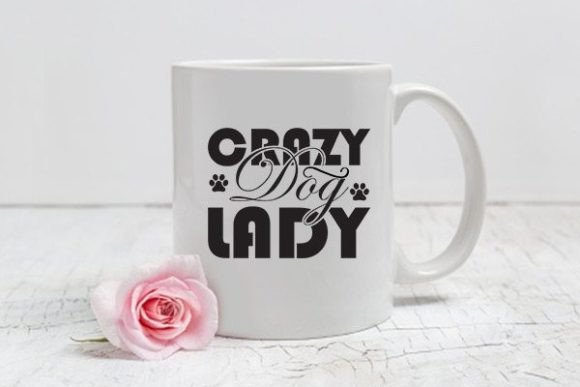
Upon opening the vector files, the layout of the Mom Svg Design, Crazy Dog Lady immediately suggests a playful yet bold aesthetic. For an embroidery designer, the typography is the first critical checkpoint. In digital graphics, text can be infinitely scaled; in embroidery, it must survive the physical limitations of thread thickness and needle penetration. This design appears to balance decorative flair with legibility, which is essential for custom apparel and personalized gifts. The mood is unapologetically fun, making it an ideal candidate for sweatshirt embroidery, tote bag designs, and casual wear rather than formal heirloom pieces.
The visual hierarchy feels natural for a left-chest placement or a centered bodice design. As a reviewer, I appreciate that the artwork does not rely on excessive gradients or microscopic details that would turn into a muddy mess when converted to satin stitch or fill stitch areas. Instead, it seems optimized for the clean lines required in commercial embroidery, ensuring that the humor lands clearly from a conversational distance. This clarity is what separates a professional handmade product from an amateur attempt, directly influencing customer trust and perceived value.
Real-World Application: The Custom Sweatshirt Test
To truly judge this asset, I mentally placed it in a current production scenario: creating a batch of premium fleece sweatshirts for an Etsy seller targeting pet owners. In this context, the Mom Svg Design, Crazy Dog Lady serves as the primary selling point. Fleece is a textured, stretchy fabric that demands respect. When stitching this design onto such a garment, the interaction between the stabilizer and the fabric texture becomes paramount.
For this specific project, I would treat the design as a potential applique design or a combination of running stitch outlines with selective fill areas. Pure satin stitch lettering on fleece can sometimes sink into the pile, reducing readability. Therefore, verifying that the embroidery file supports a knockdown stitch or has sufficient column width is vital. If using the SVG or DXF to create a custom digitization, I would ensure the stitch density is adjusted to prevent puckering on the stretch knit. The goal is a finished product where the "Crazy Dog Lady" text sits proudly on top of the fabric nap, maintaining crisp edges even after washing. This level of technical foresight is what allows small shop products to compete with mass-market alternatives.
Navigating Fabric Limitations and Hoop Constraints
While the Mom Svg Design, Crazy Dog Lady is versatile, it is not immune to physical constraints. Experienced makers know that not all fabrics are created equal. When applying this design to thin fabrics like quilting cotton or lightweight linen for tea towels and pillow covers, the risk of distortion increases. Thin materials lack the structural integrity to support heavy stitch counts without adequate backing. I always advise testing on scrap fabric first, using a cut-away stabilizer for stretchy items and a tear-away for stable wovens, to see how the design behaves before committing to a final embroidered patch or garment.
Hoop size is another non-negotiable factor. Before purchasing or downloading, you must confirm the dimensions against your machine’s capabilities. A design that looks perfect in a 5x7 hoop might lose its charm if shrunk down to fit a 4x4 hoop, as tiny lettering often loses interior spaces (like the center of an 'o' or 'e') during the reduction process. Conversely, enlarging the design for a large tote bag or blanket requires checking if the stitch count remains proportional. Over-enlarged satin stitches can become loose and snag-prone, while under-enlarged fills can become bulletproof and stiff. Always inspect small details and test black and white mockups to predict how contrast will affect visibility on dark versus light backgrounds.
Commercial Viability for Makers and Sellers
For creative entrepreneurs and Etsy sellers, the Mom Svg Design, Crazy Dog Lady represents more than just a cute graphic; it is a potential revenue stream. However, professionalism dictates due diligence. You must confirm licensing terms before selling finished items or digital embroidery files. Assuming commercial rights exist without verification can lead to legal issues and platform bans. Beyond legality, consider the brand consistency. Does this playful font align with your shop’s existing aesthetic? If your brand focuses on minimalist, modern nursery decor, this whimsical design might feel out of place. But for shops specializing in pet lover gifts, holiday embroidery, or mom-centric merchandise, it could be a bestseller.
When listing products featuring this design, high-quality printable mockups are useful for initial interest, but nothing replaces photos of the actual stitched sample. Buyers need to see how the thread colors interact with the fabric texture. They need to verify that the design isn't too dense for a baby onesie or too sparse for a canvas apron. Showing the back of the embroidery also builds confidence, demonstrating that you manage jump stitches and tension correctly. This transparency converts browsers into buyers because it proves you understand the craft, not just the software.
Technical Notes for Optimal Stitch-Outs
To get the most out of the Mom Svg Design, Crazy Dog Lady, treat the provided vector files as a foundation rather than a final instruction manual. Even if you purchase a pre-digitized embroidery file, variables change based on your specific machine, thread brand, and material choice. Here are practical steps I recommend for any serious embroidery project:
- Test Stitch Density: Run a sample on your intended fabric. If the design feels stiff or cardboard-like, reduce the fill density. If it looks gappy, increase it slightly or add an underlay.
- Check Thread Contrast: White thread on cream fabric may disappear. Ensure there is enough contrast for the text to be readable, especially for older recipients or low-light environments.
- Stabilizer Selection: Never skip proper stabilization. For the "Crazy Dog Lady" theme, which likely targets casual wear, comfort is key. Avoid overly stiff stabilizers on t-shirts that could irritate the skin.
- Detail Inspection: Zoom in at 100% view in your embroidery software. Look for overlapping stitches that could cause needle breaks or excessive bulk at connection points.
- Wash Testing: If selling tea towels or baby items, wash and dry your test swatch. Embroidery often changes character after the first launder, shrinking slightly or relaxing. Your customers expect durability.
Ultimately, the success of the Mom Svg Design, Crazy Dog Lady depends on the maker's willingness to bridge the gap between digital art and textile reality. It is a charming, market-ready concept that fits perfectly within the current trend of identity-driven apparel and accessories. By respecting the technical requirements of machine embroidery—from hoop size limitations to fabric texture nuances—you transform a simple graphic file into a cherished, professional-grade handmade product. Whether you are crafting a personalized gift for a friend or scaling up production for a boutique line, approaching this design with a critical, experienced eye ensures that the final stitch-out honors both the humor of the message and the quality of your craftsmanship.