I'm a Baton Twirling Mom: An Embroidery Review
As a professional embroidery designer and product reviewer, I approach every new graphic asset with a specific question: will this actually stitch out well on real fabric? When evaluating the I m a Baton Twirling Mom design, my focus shifts immediately from digital aesthetics to physical application. This isn't just a vector file for a screen; it is a potential centerpiece for custom apparel, handmade gifts, and small business merchandise. In the world of crafts and graphics, the transition from a digital download to a finished embroidered product requires careful consideration of line weight, negative space, and fabric compatibility. After reviewing the assets included in this zip compressed folder, here is my practical assessment for makers, Etsy sellers, and apparel decorators looking to add this niche design to their catalog.
First Impressions and Visual Personality
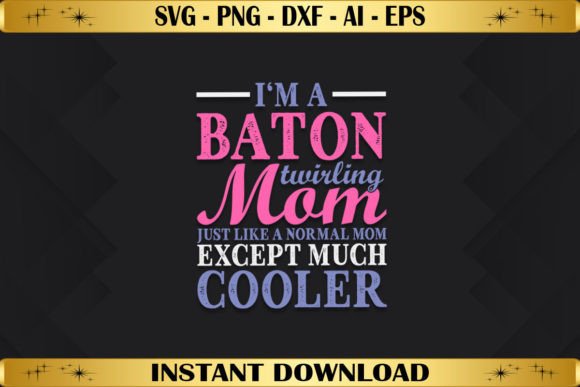
The immediate mood of I m a Baton Twirling Mom is one of proud, active support. It captures a specific niche identity that resonates deeply with parents involved in competitive twirling. From a design perspective, the typography and iconography appear balanced for both print and stitch applications. The layout suggests a bold statement piece rather than a subtle accent, which is exactly what this demographic typically seeks for game-day gear or competition wear. As a graphics asset, the inclusion of SVG, PNG, DXF, AI, and EPS files provides excellent versatility. For an embroidery digitizer or hybrid crafter, having the AI and EPS vectors is crucial. These formats allow us to inspect the node structure before converting to stitches, ensuring that curves remain smooth and text remains legible when translated into satin or fill stitches.
Real-World Application: The Custom Sweatshirt Test
To truly evaluate this design, I mentally placed it in a real-life production scenario: creating a custom embroidered sweatshirt for a mother attending a regional twirling championship. This is a high-stakes project where the finished product needs to look professional, wash well, and serve as a wearable badge of honor. In this context, I m a Baton Twirling Mom performs best as a center-chest or full-back placement. The design’s hierarchy allows for clear readability from a distance, which is vital for sideline visibility.
For this sweatshirt project, I would utilize the provided vector files to create a custom machine embroidery design optimized for fleece. Fleece has a pile that can swallow fine details, so the bold nature of this graphic is an advantage. If using this as an applique design, the shapes are distinct enough to be cut cleanly, reducing fraying risks. Alternatively, if stitching directly onto the garment, the text elements would benefit from a column stitch width that prevents sinking into the fabric texture. This specific use case highlights why checking your digital embroidery file against the intended substrate is non-negotiable. A design that looks perfect on a monitor can become muddy on textured fleece without proper density adjustments.
Navigating Fabric Challenges and Hoop Limitations
While I m a Baton Twirling Mom is versatile, experienced makers know that not all fabrics treat embroidery equally. There are specific scenarios where caution is required. If you are planning to use this design on stretchy performance wear or thin baby clothes, stabilization becomes the primary concern. The design likely contains areas of density that could cause puckering on lightweight knits. Always test on scrap fabric first with the appropriate stabilizer—cut-away for stretchy items, tear-away for stable wovens—to ensure the registration holds.
Small hoop sizes present another challenge. If you are limited to a 4x4 hoop, resizing this design down significantly may compromise the integrity of the lettering. Tiny text often loses clarity when reduced below a certain threshold, turning satin stitches into running stitches that lack definition. For smaller projects like caps or baby bibs, consider isolating just the baton icon or the phrase "Twirling Mom" rather than forcing the entire composition into a confined space. Curved surfaces like caps also require specialized hooping techniques; flat graphics don't always map perfectly to curved brims without distortion. Additionally, be mindful of dark fabrics. While the PNG file is great for printable mockups, embroidering on black or navy requires testing thread color contrast to ensure the design pops rather than disappearing into the background.
Commercial Viability for Small Businesses and Etsy Sellers
For creative entrepreneurs and shop owners, I m a Baton Twirling Mom represents a valuable addition to seasonal and evergreen inventory. Niche sports mom designs consistently perform well because they target a passionate audience willing to spend on personalized gifts and team spirit wear. However, professionalism builds trust. Before listing a tote bag design or holiday embroidery item featuring this graphic, verify your licensing terms. Confirm whether the purchase includes commercial rights for selling finished products or if it is restricted to personal use. This distinction protects your craft business from legal issues and maintains your reputation.
When creating listings, use the included PNG and SVG files to generate high-quality printable mockups. Customers need to visualize how the design looks on a kitchen towel, apron, or patch before buying. Showcasing the design on multiple product types demonstrates versatility and helps buyers imagine the final result. Remember that buyer engagement increases when they see realistic representations of stitch quality and placement. If you offer custom apparel, mention in your description that you adjust stitch density based on fabric type. This technical transparency reassures customers that you understand the difference between a digital graphic and a durable embroidered patch or garment.
Essential Designer Notes for Success
Before you load this design into your machine or send it to a client, run through this practical checklist derived from professional embroidery standards:
- Verify File Integrity: Ensure the zip folder extracted correctly and that the SVG, DXF, AI, and EPS files open without error in your preferred software.
- Check Licensing: Re-read the product description regarding commercial use for finished products versus digital resale. Never assume rights are included.
- Test Stitch Out: Always run a sample on scrap material similar to your final project. Check for thread breaks, tension issues, or alignment problems.
- Evaluate Density: Inspect the design for overly dense areas that might perforate thin fabric or cause excessive stiffness on a baby item.
- Contrast Check: View the design in black and white to ensure value separation exists independent of color. This ensures readability on various fabric colors.
- Hoop Planning: Measure your available hoop size against the design dimensions. Leave adequate margin for hoop clearance and stabilizer grip.
- Mockup Accuracy: Use the provided assets to create honest previews. Avoid over-editing mockups to hide potential stitching limitations.
Final Thoughts on Value and Craftsmanship
I m a Baton Twirling Mom is more than just a collection of vector files; it is a tool for connection. Whether you are crafting a personalized gift for a fellow twirling parent, stocking your Etsy shop with niche sports gear, or producing commercial embroidery for a local studio, the success of the project lies in the execution. By respecting the relationship between the digital art and the physical medium, you elevate the perceived value of your work. Take the time to understand the stitch density, choose the right stabilizer, and select the appropriate fabric texture. When these technical elements align with the emotional resonance of the design, the result is a handmade product that feels professional, durable, and genuinely meaningful to the recipient. That is the standard we should strive for in every embroidery project.