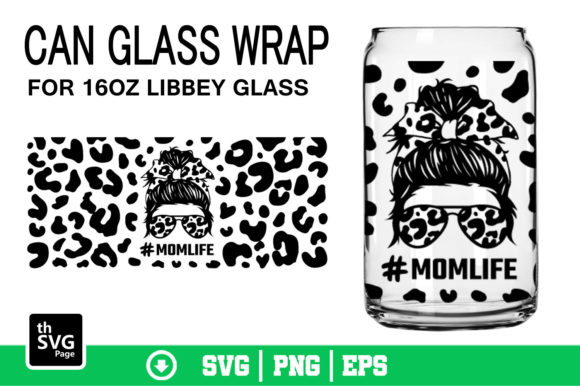
First Coffee Mom Can Glass Libbey 16oz Review
As a professional embroidery designer and product reviewer, I approach every new digital asset with a specific question: will this actually stitch out cleanly on a physical product? When evaluating the First Coffee Mom Can Glass Libbey 16oz design by thSVGpage, my focus shifts immediately from the screen to the hoop. This graphic is marketed as a high-resolution SVG suitable for can glass wraps, but for those of us in the machine embroidery and apparel decoration space, its value lies in its adaptability. The phrase "First Coffee Then Mom" resonates deeply with a specific demographic, making it a potential bestseller for Etsy sellers and small shop owners, provided the technical execution matches the visual charm.
Translating Digital Graphics to Stitched Reality
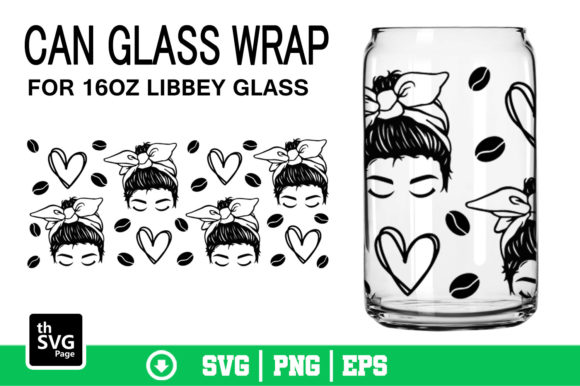
The first impression of this design is clean and typographically balanced. Visually, it captures that relatable, slightly exhausted but loving maternal humor that performs exceptionally well in the handmade product market. However, as an embroidery file or digitizing source, the layout matters more than the sentiment alone. The vertical orientation mimics the shape of a Libbey 16oz can glass, which presents a unique challenge and opportunity for embroiderers. While originally intended for vinyl wraps or sublimation, the linear structure suggests it could work beautifully as a sleeve design on a sweatshirt or as a centered chest placement on a tote bag.
When I look at this graphic, I am mentally converting vector lines into stitch paths. The bold lettering typical of "First Coffee" themes usually translates well to satin stitch or column fill, ensuring readability from a distance. For craft business owners, this legibility is non-negotiable. A design that looks intricate on a monitor but turns into a thread blob at three feet away is useless for commercial embroidery. Fortunately, the aesthetic here leans toward modern simplicity, which generally survives the transition from pixel to thread without losing its personality.
Real-World Application: The Custom Sweatshirt Test
To truly judge this asset, let’s apply it to a real-life scenario: creating a custom embroidered crewneck sweatshirt for a Mother’s Day capsule collection. This is a staple item for many Etsy sellers and boutique brands. In this context, the First Coffee Mom Can Glass Libbey 16oz design serves as the focal point. Because the graphic is tall and narrow, placing it directly in the center of a sweatshirt chest can sometimes look disproportionate. As a designer, I would recommend testing this as a left-chest pocket-sized emblem or scaling it up for a full-back print if using heat transfer vinyl alongside embroidery accents.
If you are digitizing this yourself for machine embroidery, consider the fabric texture. Sweatshirt fleece has a pile that can swallow fine details. If the original SVG contains thin connecting lines or delicate script within the "Mom Can Glass" typography, those elements risk getting lost. I would advise reinforcing any running stitch outlines or converting them to a thicker fill stitch to ensure they pop against the textured background. For a personalized gift, adding a name below the main design in a complementary font can increase the perceived value, turning a generic graphic into a cherished keepsake.
Navigating Fabric Limitations and Hoop Constraints
Not every project is a stable sweatshirt. When applying this design to lighter or more difficult substrates, caution is required. If you are stitching this onto a tea towel or a lightweight linen apron, the stitch density becomes critical. A design optimized for a 16oz glass wrap might be too dense for loose-weave fabrics, causing puckering or distortion. Always test on scrap fabric first. You may need to reduce the density or use a heavier stabilizer to maintain the structural integrity of the letters.
Stretchy fabrics like jersey knits or baby clothes present another hurdle. The vertical nature of the "First Coffee Then Mom" layout means that if the fabric stretches horizontally during wear, the design could appear distorted. Using a cut-away stabilizer is essential here to lock the stitches in place. Additionally, be mindful of small hoop sizes. If your machine only accommodates a 4x4 hoop, you will likely need to resize or split this design. Resizing vector-based graphics is generally safe, but resizing already-digitized embroidery files can alter stitch counts and compromise quality. Always verify the dimensions before committing to a production run.
Commercial Viability and Brand Consistency
For creative entrepreneurs and digital product sellers, the versatility of this asset extends beyond a single project. The "First Coffee" niche is evergreen, but it is also saturated. What makes this specific iteration stand out is the explicit reference to the Libbey 16oz can glass trend. This specificity signals to buyers that you are current with market trends. When listing finished products or digital embroidery files, highlight this compatibility. Customers searching for "Can Glass SVG" or "Beer Glass Wrap" are often looking for designs that fit that exact vessel, even if they ultimately use it for apparel.
Brand consistency is equally important. If your shop focuses on minimalist, boho aesthetics, ensure the thread colors selected for this design align with your palette. Muddy or neon threads might clash with the sophisticated vibe of a neutral linen tote bag design. Conversely, if your brand is bright and playful, this design offers enough negative space to incorporate colorful background fills or applique elements. Professionalism comes from these cohesive choices, building customer trust and encouraging repeat business.
Essential Designer Notes for Successful Execution
Before you load this design into your software or machine, run through this practical checklist to ensure professional results:
- Verify Licensing: Confirm whether the thSVGpage license permits commercial use for both physical embroidered items and digital resale. Never assume; always check the specific terms included with the download.
- Contrast Testing: View the design in black and white before stitching. If the contrast relies solely on color rather than value, it may fail on dark fabrics. Adjust underlay or add a white outline if necessary.
- Stabilizer Selection: Match your stabilizer to the end-use. Wash-away toppers are excellent for preventing stitches from sinking into fleece, while tear-away backs work better for crisp cottons.
- Mockup Validation: Use printable mockups to visualize placement before wasting thread. Seeing the "First Coffee Mom" text relative to a garment's seams or pockets helps avoid awkward positioning.
- Detail Inspection: Zoom in to 100% on the digital file. Look for overlapping nodes or open paths that could cause machine errors or fraying edges in the final embroidered patch or apparel piece.
Elevating the Finished Product
Ultimately, the First Coffee Mom Can Glass Libbey 16oz is more than just a trendy phrase; it is a functional design asset with strong commercial potential when handled correctly. Its success depends entirely on the maker's ability to bridge the gap between digital art and tactile reality. Whether you are producing holiday embroidery gifts, stocking your Etsy shop with custom apparel, or creating branded merchandise for a local cafe, treat this graphic as a starting point rather than a final destination.
By respecting the technical requirements of machine embroidery and understanding the nuances of fabric behavior, you transform a simple SVG into a high-value handmade product. Remember that customers are buying the quality of the stitch-out as much as the cleverness of the quote. Take the time to test, adjust, and refine. When the thread tension is perfect, the stabilization is invisible, and the design sits flat and proud on the fabric, that is when this graphic truly shines. It becomes not just a file on a computer, but a tangible expression of craftsmanship that resonates with the tired, caffeinated moms who are your target audience.