Favorite Air Man Call Me Mom SVG: Embroidery Review
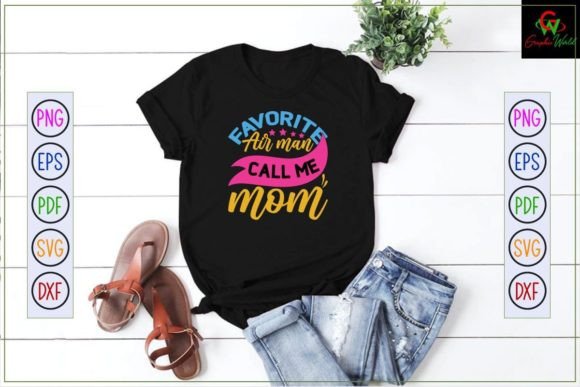
As a professional embroidery designer and product reviewer, I approach every new digital asset with a specific question: will this actually stitch out cleanly on real fabric? When evaluating the Favorite Air Man Call Me Mom SVG, my focus shifts immediately from screen to hoop. This design carries a distinct vintage typography aesthetic that appeals strongly to military families and aviation enthusiasts. However, translating a vector graphic intended for sublimation or vinyl into a successful machine embroidery design requires careful technical assessment. The sentiment is powerful and niche, making it a high-value candidate for personalized gifts and boutique apparel, but only if the execution matches the emotion.
Translating Vintage Typography to Thread
My first impression of the Favorite Air Man Call Me Mom SVG is its nostalgic charm. The lettering style suggests a mid-century military vibe, which pairs beautifully with olive drab, navy, or cream thread colors. For an Etsy seller or small shop product creator, this specific aesthetic taps into a passionate demographic. However, vintage fonts often feature varying line weights and decorative serifs that can be problematic in digitizing. Before committing this embroidery file to a final custom apparel piece, you must determine if the font has been properly converted for needle and thread rather than just traced.
In my studio, I look for clean node placement and appropriate underlay. If the original SVG relies on thin, distressed textures to achieve that vintage look, those details may get lost or cause thread breaks during stitching. A successful adaptation of this design should utilize a combination of satin stitch for bold outlines and fill stitch for larger letter bodies to maintain legibility. If the design is purely outline-based using a running stitch, ensure the column width is sufficient to prevent the fabric from puckering, especially on knit materials commonly used for sweatshirt embroidery.
Real-World Application: The Aviation Mom Sweatshirt
To truly test the viability of the Favorite Air Man Call Me Mom SVG, I envision a specific client project: a heavyweight cotton fleece sweatshirt for an Air Force mother attending her son’s graduation ceremony. This scenario represents the ideal use case for this graphics asset within the Crafts category. The emotional weight of the phrase demands a presentation that feels permanent and cherished, not like a cheap iron-on transfer.
For this embroidery project, placement is critical. Center-chest positioning works best for this typographic layout. Because sweatshirts have a brushed interior and significant stretch, using the correct stabilizer is non-negotiable. I would recommend a medium-weight cutaway stabilizer to support the stitch density of the text without distorting the garment's drape. The vintage nature of the design allows for some artistic freedom in thread selection; using a matte rayon or polyester thread in a muted gold or slate blue enhances the heritage feel far better than high-sheen bright white. This attention to material choice elevates the finished product from a simple craft to a keepsake handmade product.
Navigating Fabric Limitations and Hoop Constraints
While the Favorite Air Man Call Me Mom SVG shines on stable fleece, it requires caution when applied to other substrates. As a reviewer, I must highlight where this design might fail if used without modification. Detailed vintage typography often includes small interior spaces within letters like 'a', 'e', or 'o'. On textured fabrics like terry cloth towels or canvas tote bag design projects, these small details can sink into the weave and become illegible.
If you plan to use this as a baby embroidery motif on onesies or bibs, verify the physical size against your hoop size. Reducing complex typography below three inches wide often results in thread buildup and poor registration. For smaller applications, consider using only the "Call Me Mom" portion or simplifying the font weight. Additionally, curved surfaces like caps present unique challenges. Unless the digital embroidery file has been specifically digitized with cap compensation (distorting the design slightly so it stitches round on a curved surface), standard flat versions of this SVG will distort at the top and bottom curves. Always confirm compatibility before attempting commercial embroidery on headwear.
Enhancing Perceived Value and Customer Trust
The visual appeal of the Favorite Air Man Call Me Mom SVG directly correlates to buyer engagement. In the competitive market of military family merchandise, professionalism distinguishes top sellers. A crisp, well-digitized version of this design signals quality. Conversely, jagged edges, misaligned layers, or excessive jump stitches erode customer trust instantly. When listing this as part of your design assets or selling finished goods, high-quality photos of actual stitch-outs are superior to digital mockups alone.
Consider how this design interacts with brand consistency. If your shop focuses on modern minimalist aesthetics, this ornate vintage style might clash. However, if you specialize in patriotic, military, or heritage craft business items, it serves as a strong anchor product. The specificity of "Air Man" limits the audience but increases conversion rates within that niche. Buyers searching for this exact phrase are looking for recognition of their specific pride. Delivering a personalized gift that honors that service branch accurately builds long-term loyalty and repeat business.
Essential Pre-Stitch Protocol for Makers
Before loading the Favorite Air Man Call Me Mom SVG into your machine for a paid order or final gift, adhere to this practical checklist. These steps separate hobbyists from professionals:
- Verify Licensing: Since this is a digital download, confirm whether your purchase includes commercial rights for selling finished embroidered items versus just personal use. Never assume commercial embroidery rights are included without explicit documentation.
- Test Stitch Density: Run a sew-out on scrap fabric identical to your final project. Check the back of the embroidery; excessive bobbin thread showing on top indicates tension issues or density problems specific to this file.
- Contrast Check: Test the design in both black-and-white and color. Vintage designs sometimes rely on shading that disappears when stitched in a single monochrome thread. Ensure readability remains high.
- Stabilizer Matching: Do not use tear-away stabilizer for this design on stretchy knits. The intricate lettering requires the permanent support of cutaway to prevent distortion after washing.
- Mockup Validation: Use printable mockup software to visualize scale, but always validate with a physical measurement. Screen pixels do not account for thread thickness or fabric shrinkage.
- Wash Testing: If creating holiday embroidery or items meant for frequent wear, wash and dry your test swatch. Vintage-style satin stitches can fray if not secured properly; catching this now prevents returns later.
Final Verdict for Creative Entrepreneurs
The Favorite Air Man Call Me Mom SVG holds significant potential for makers who understand the intersection of sentiment and technique. It is more than just a collection of vectors; it is a vessel for family pride. For the experienced embroiderer willing to validate the digitizing quality and match the design to appropriate stable fabrics, it offers a pathway to creating meaningful, high-margin products. Whether utilized for a heartfelt embroidered patch, a boutique sweatshirt, or a customized nursery pillow, success lies in respecting the technical requirements of the medium. Treat this digital embroidery file with the same rigor as any industrial asset, and it will serve your creative business faithfully. Always prioritize the integrity of the stitch over the speed of production, and your customers will recognize the difference in every thread.