Dance Mama Leopard SVG: An Embroidery Review
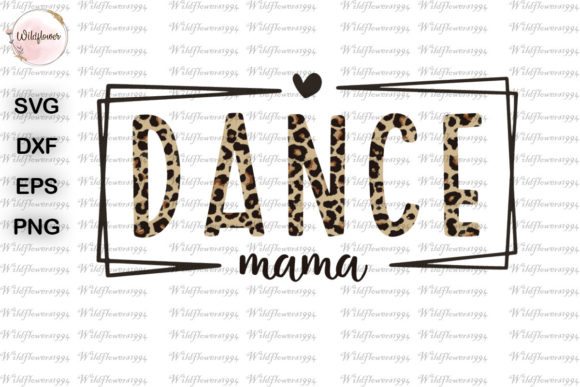
As a professional embroidery designer and product reviewer, I approach every new digital asset with a critical eye. When evaluating the Dance Mama Leopard SVG, my first thought isn't just about how it looks on a screen, but how it will translate through the needle. This design sits at the intersection of two massive niches in the Crafts category: dance culture and leopard print aesthetics. For small business owners and Etsy sellers, this combination is often a bestseller, but only if the execution is flawless. My initial impression of this graphic is that it carries a bold, energetic personality. The layout suggests confidence, making it an ideal candidate for custom apparel and personalized gifts where visibility is key. However, moving from a vector file to a stitched reality requires careful planning regarding stitch density and fabric choice.
Translating Vector Graphics to Stitched Reality
The transition from a digital SVG or EPS file to a physical embroidered patch or sweatshirt is where many projects fail. While the Dance Mama Leopard SVG is marketed as a versatile digital file for Cricut and sublimation, its application in machine embroidery demands specific attention to detail. Leopard print is notoriously tricky to digitize effectively. If the spots are too small, they turn into mud; if they are too large, they lose the recognizable pattern. In reviewing this design for real-world use, I look for clean lines that can support either a satin stitch border or a specialized fill stitch texture.
For a recent client project involving a dance team's boutique merchandise, I considered this design for a crewneck sweatshirt. The goal was to create a "Dance Mom" identifier that felt trendy rather than dated. Because the design includes both text and graphical elements, the hierarchy matters. The word "Mama" needs to be legible from a distance, while the leopard accents should provide texture without overwhelming the garment. In this scenario, the Dance Mama Leopard SVG serves as a strong foundation, but I would recommend verifying that the lettering has enough width to prevent thread breaks during high-speed commercial embroidery production.
Best Applications for Dance Team and Boutique Merchandise
This design naturally belongs on items that celebrate identity and affiliation. Based on my experience with similar graphics, here are the most effective applications for this specific artwork:
- Sweatshirt Embroidery: This is the primary use case. A center-chest placement on a Gildan or Comfort Colors sweatshirt allows the design to breathe. The leopard motif adds a fashion-forward element that appeals to modern moms.
- Tote Bag Design: Dance moms carry everything from hairspray to snacks. A sturdy canvas tote featuring this design is a practical personalized gift. Ensure the hoop size is adequate to maintain proportion on a larger bag surface.
- Embroidered Patches: For craft fair products or add-on sales, converting this into a merrowed-edge patch is highly effective. It allows customers to customize their own gear without committing to full garment embroidery.
- Holiday Embroidery: During recital season or Christmas, this design works beautifully on stockings or ornament blanks as a gift for mom. The festive yet personal nature increases its perceived value.
When using this as a digital embroidery file for these applications, always consider the end user. A handmade product meant for daily wear by a busy parent must withstand washing and friction. This means avoiding excessive jump stitches and ensuring proper underlay to prevent puckering on stretchy knit fabrics.
Navigating Fabric Textures and Technical Constraints
Not every fabric is a suitable canvas for the Dance Mama Leopard SVG. As an experienced reviewer, I must emphasize where caution is necessary. Leopard patterns rely on contrast and definition. On highly textured fabrics like terry cloth or thick fleece, fine details can get lost. If you are stitching on a plush blanket or nursery decor item, you may need to adjust the stitch density or use a topping to keep the design crisp.
Stretchy fabrics present another challenge. When embroidering on performance wear or thin baby clothes, stabilization is non-negotiable. I have seen beautiful designs distort completely because the stabilizer weight didn't match the fabric. For this specific graphic, which likely combines solid shapes with intricate text, using a cut-away stabilizer for knits and a tear-away for wovens is standard best practice. Additionally, be wary of dark fabrics. Unless the design includes a white underlay or is specifically digitized for dark garments, the leopard spots may disappear against black or navy material. Always test thread colors against your specific fabric swatch before running a full production batch.
Small hoop sizes also require scrutiny. If you are resizing the Dance Mama Leopard SVG down for a cap or a sleeve cuff, check the smallest text elements. Serif fonts or thin script often do not survive significant reduction. If the letters become narrower than 1mm after resizing, the design is no longer viable for embroidery and should be reserved for vinyl or sublimation instead.
Elevating Brand Value Through Professional Execution
For creative entrepreneurs and Etsy sellers, the quality of your finished product directly impacts customer trust and brand consistency. Using a generic file without testing can lead to poor reviews. Conversely, taking the time to optimize the Dance Mama Leopard SVG for your specific machine and materials sets your shop apart. Professionalism shows in the registration, the tension, and the overall finish.
Visual appeal drives buyer engagement. When creating printable mockups or listing photos, show the design on realistic backgrounds. Don't just display the flat digital file; show it stitched on a model or a lifestyle flat lay. This helps customers visualize the final result. Furthermore, clear communication about what the customer receives is vital. Since this product listing specifies EPS and SVG files, remind buyers that these are source graphics. If you are selling the physical embroidered item, your expertise in converting that graphic into stitches is where your true value lies. If you are selling the digital embroidery file itself, ensure you have properly tested and formatted it for various machine brands, as raw SVGs are not native embroidery formats.
Essential Pre-Production Checklist for Makers
Before you commit this design to a sellable product or a cherished gift, run through this practical checklist derived from professional studio workflows:
- Verify Licensing: Confirm whether your purchase of the Dance Mama Leopard SVG includes commercial rights for finished products or digital resale. Never assume usage rights.
- Test on Scrap Fabric: Always stitch out the design on the exact fabric type you intend to use. Check for gaps, puckering, or thread breaks.
- Audit Stitch Density: Ensure the leopard spots aren't too dense for lightweight fabrics or too sparse for heavy ones. Adjust pull compensation if resizing.
- Check Color Contrast: View the design in black and white to ensure the leopard pattern remains distinct from the background and text elements.
- Validate Hoop Size: Measure the actual stitch area, not just the bounding box, to ensure it fits your hoop with room for clamping.
- Review Small Details: Inspect tiny lettering or accent marks. If they are too small to stitch cleanly, edit them out or simplify the design.
Ultimately, the Dance Mama Leopard SVG is a vibrant asset for the maker community. It captures a specific cultural moment in dance parenting that resonates with buyers. By applying professional judgment and technical care, you transform a simple digital graphic into a high-quality embroidered product that customers will be proud to wear and display. Whether you are creating a custom apparel line for a studio or a single personalized gift for a friend, respecting the relationship between the digital file and the physical stitch is the hallmark of a successful embroidery business.