Blessed Mom Svg Cut Files: An Embroidery Review
As a professional designer who spends more time behind an embroidery machine than a computer screen, I approach every new digital asset with a healthy dose of skepticism. When I first opened the Blessed Mom Svg Cut Files, my immediate thought was not about how it would look as a vinyl decal, but how it would translate into thread. While this product is categorized under Graphics and Crafts for cutting machines, its clean lines and sentimental typography make it a prime candidate for adaptation into a machine embroidery design. For fellow Etsy sellers, apparel decorators, and makers, understanding the bridge between a vector cut file and a stitched reality is crucial for creating high-value products.
First Impressions: Sentiment Meets Structure
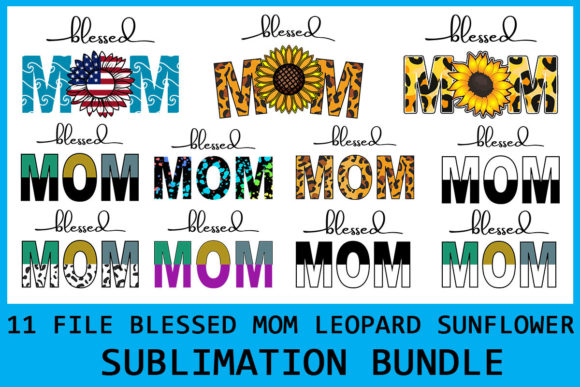
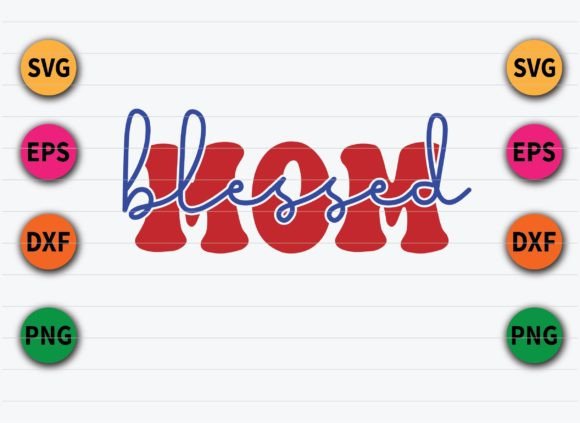
The visual personality of this design strikes a balance between modern minimalism and traditional warmth. The phrase "Blessed Mom" carries an inherent emotional weight that resonates deeply with our target demographic. From a design perspective, the layout appears balanced enough to serve as a standalone centerpiece on custom apparel or as part of a larger composition for nursery decor. Unlike overly ornate scripts that can become muddy when stitched, the lettering in these files seems structured with intention. This is vital because, in embroidery, negative space is just as important as the stitch itself. The design feels approachable yet polished, suggesting it belongs on premium cotton tees, soft sweatshirts, or personalized baby items rather than cheap promotional goods.
Real-World Application: The Custom Sweatshirt Test
To truly evaluate this asset, I mentally placed it in a real-life production scenario: creating a custom embroidered crewneck sweatshirt for a Mother’s Day boutique collection. Sweatshirt fleece is a forgiving fabric, but it has texture that can swallow fine details. If I were converting these Blessed Mom Svg Cut Files into an embroidery file, I would immediately assess the line weight. For a sweatshirt project, the text needs to be bold enough to sit on top of the fleece nap without sinking in.
In this scenario, I envision using a combination of stitches to add dimension. A satin stitch border could frame the design beautifully, providing a crisp edge against the soft fabric, while a textured fill stitch inside the letters would prevent the design from becoming too dense and bulletproof. This specific application highlights why this design works for commercial embroidery; it is versatile enough to be scaled up for a chest placement or scaled down for a cuff detail. For a craft business owner, this adaptability means one design purchase can yield multiple SKU variations, maximizing return on investment.
Navigating Fabric Challenges and Hoop Sizes
While the design shows promise, experienced makers know that execution depends entirely on the substrate. There are specific scenarios where you must exercise caution when adapting this graphic for needle and thread. If you are planning baby embroidery on thin jersey knits or onesies, the standard conversion might be too heavy. Baby garments require lightweight designs to avoid dragging down the neckline or irritating sensitive skin. In these cases, you would need to modify the design into a single-weight running stitch or a delicate outline style to maintain the garment's drape.
Similarly, consider your hoop size limitations. If you are working with small hoops for cap embroidery or pocket placements, the intricate corners of the typography may need simplification. Tiny serifs or tight curves that look perfect in a vector program can cause thread breaks or registration issues when stitched at 2 inches wide. Always test on scrap fabric that matches your final project's weight and stretch. Dark fabrics present another challenge; if the design relies on internal cutouts for definition, ensure your digitizing includes adequate underlay so the fabric doesn't show through the stitches. For tote bag design work on canvas, the opposite applies: you may need to increase stitch density to ensure the design stands out against the coarse weave.
Elevating Product Value and Brand Trust
Using Blessed Mom Svg Cut Files effectively goes beyond technical execution; it impacts how customers perceive your brand. In the saturated market of handmade gifts, professionalism is the differentiator. A poorly digitized version of this design with puckering fabric or gapping letters will devalue your entire shop. Conversely, a crisp, well-executed stitch-out signals quality. When a customer receives a personalized gift featuring this design, the tactile quality of the embroidery reinforces the sentiment of the message.
For digital product sellers and those offering printable mockups, this design also serves as excellent visual content. Even if you primarily sell physical goods, showing a high-quality digital preview helps buyers visualize the end result. However, never rely solely on software-generated renders. Take photos of actual test stitches. Real photos build trust because they prove you understand the medium. Whether you are selling finished small shop products or licensing design assets to other makers, demonstrating practical knowledge of how this graphic performs in thread establishes your authority and reliability.
Essential Designer Notes Before You Stitch
Before loading this design into your machine or listing it in your store, run through this practical checklist to ensure success:
- Verify Licensing Terms: Since this is marketed as an SVG cut file, confirm explicitly whether the license covers commercial embroidery use or digitizing for resale. Do not assume cross-medium rights.
- Test Stitch Density: Create a test swatch on your intended fabric. Check the back of the embroidery; excessive bobbin thread visible on top indicates tension issues or improper density settings for that specific material.
- Stabilizer Selection: Match your stabilizer to the fabric, not just the design. Use cut-away for stretchy knits and tear-away for stable wovens. The wrong stabilizer will ruin even the best digitization.
- Thread Color Contrast: Test the design in both high-contrast (white on black) and low-contrast (tone-on-tone) palettes. Some details visible in vector format disappear when stitched in similar colors.
- Check Small Details: Inspect any elements smaller than 4mm. These often require manual adjustment or removal to prevent needle damage and poor stitch formation.
- Mockup Reality Check: Compare your digital mockups against real stitch-outs. Adjust your marketing images to reflect the true texture and sheen of the thread to avoid customer disappointment.
Ultimately, Blessed Mom Svg Cut Files offers a strong foundation for heartfelt, marketable embroidery projects. By approaching this graphic with the critical eye of a stitcher rather than just a cutter, you can transform a simple digital file into a cherished keepsake or a best-selling product. Success lies in respecting the physics of thread and fabric, ensuring that the final finished product honors both the design intent and the customer's expectations.